Exploring the Legacy of Air Conditioning and Heating: What You Need to Know
As technology continues to evolve, air conditioning and heating systems remain a staple for maintaining comfort in homes and businesses worldwide. While state-of-the-art models promise energy efficiency and smart technology integration, the legacy of traditional systems is substantial and deserves exploration. This article delves into the enduring legacy of air conditioning and heating systems, highlighting their evolution, impact, and practical considerations for users today.
The History and Evolution of HVAC Systems
The Early Days: Necessity Breeds Innovation
Air conditioning and heating systems have come a long way since their primitive origins. In ancient Rome, wealthy citizens channeled water through walls to cool their homes. Similarly, various ancient civilizations used rudimentary methods to heat spaces, such as open fires and basic wood stoves.
The Rise of Modern Systems
The invention of modern air conditioning is credited to Willis Carrier in 1902, who developed a system to control humidity in a printing plant. This innovation laid the groundwork for contemporary HVAC (Heating, Ventilation, and Air Conditioning) systems. By the mid-20th century, these systems became increasingly accessible and integral in residential and commercial buildings.
Key Innovations Over the Years:
- 1930s: Introduction of the first window air conditioning units.
- 1960s-70s: Central air systems gained popularity, offering a more seamless and comprehensive cooling solution.
- 1980s: Advancements in refrigerants led to more efficient and environmentally friendly systems.
Understanding the Components of Air Conditioning and Heating Systems
For those new to the world of HVAC, understanding the basic components is essential.
Core Components Explained
- Compressor: The heart of an air conditioning system, compressing the refrigerant to initiate the cooling cycle.
- Condenser: Releases heat absorbed from your indoor environment.
- Evaporator Coil: Absorbs heat from the indoor air.
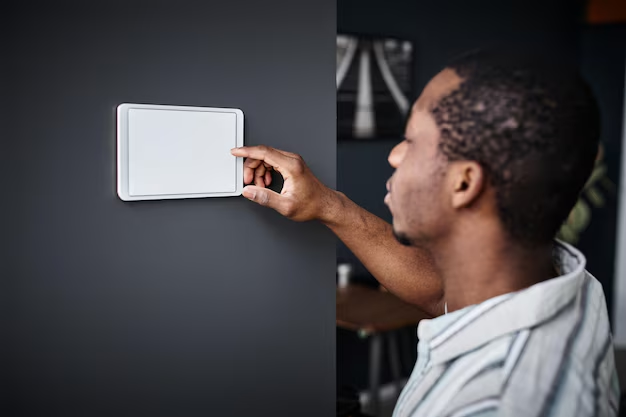
- Thermostat: Acts as the system's brain, regulating temperature and maintaining comfort.
- Furnace: In heating systems, it generates heat using oil, gas, or electricity.
- Ductwork: Channels that distribute conditioned air throughout a building.
The Role of Technology in Modern HVAC Systems
Today's systems integrate smart technology, allowing for advanced control and energy savings. Smart thermostats and remote management tools offer users unparalleled control, ensuring efficiency and user-friendliness.
Evaluating the Impact of Legacy Systems
Environmental Considerations
Today, there is a strong focus on minimizing carbon footprints. Legacy systems, while foundational, often lag behind modern units regarding energy efficiency. However, they have played a significant role in shaping the progression towards more eco-friendly alternatives.
Energy Efficiency Tips:
- Regular maintenance and prompt repairs can significantly enhance the efficiency of older systems.
- Retrofitting legacy systems with newer, energy-efficient components can reduce their environmental impact.
User Experience and Comfort
Legacy air conditioning and heating systems have provided comfort and reliability for decades. Many homeowners appreciate the robustness of these systems, valuing their ability to maintain consistent temperatures in diverse climates.
Practical Guide to Managing Legacy Systems
Maintenance Tips for Optimal Performance
Despite their age, maintaining legacy systems can extend their lifespan and enhance performance.
- Regular Inspections: Routine check-ups by professionals help identify issues before they escalate.
- Timely Repairs: Addressing minor problems prevents system-wide failures.
- Filter Changes: Regularly changing or cleaning filters ensures optimal airflow and system efficiency.
Troubleshooting Common Issues
Familiarity with frequent HVAC issues can empower users to address problems swiftly.
- Uneven Cooling/Heating: Might indicate blocked vents or an unbalanced system.
- Strange Noises: Often a sign of loose or damaged components.
- Inadequate Airflow: Could result from ductwork obstructions or fan issues.
Making the Decision: Upgrade or Maintain?
Factors to Consider
Deciding whether to replace or maintain a legacy system involves several factors:
- Cost: Weigh the cost of new systems against the potential repairs and inefficiencies of keeping an older model.
- Efficiency: Older systems typically consume more energy, impacting utility bills.
- Comfort: Advanced systems often provide better climate control and air quality.
Benefits of Upgrading
While legacy systems are durable, upgrading offers numerous perks:
- Enhanced Efficiency: Modern systems use less energy, reducing operational costs.
- Improved Air Quality: Advanced filtration systems in newer models enhance air purity.
- Smart Capabilities: Integration with smart home devices for optimal control.
FAQs: Addressing Common Concerns with Legacy Systems
How can I improve the efficiency of my old HVAC system?
Routine maintenance, prompt repairs, and upgrading specific components can boost a legacy system's efficiency.
Is it more cost-effective to repair or replace my HVAC system?
Assessing repair costs against potential savings on energy prices with a new system can guide your decision.
What should I do before upgrading my HVAC system?
Evaluate your current system's performance, energy bills, and comfort levels. Consult with HVAC professionals for tailored advice.
Summary: Key Takeaways for Managing Legacy HVAC Systems
Here’s a concise bullet-point list to remember:
- 🛠 Routine Maintenance: Keep systems efficient and long-lasting through regular check-ups.
- 🌿 Environmental Awareness: Consider retrofitting to make legacy systems more eco-friendly.
- 🚀 Upgrading Benefits: New systems offer improved efficiency, better air quality, and smart features.
- 💡 Cost Considerations: Balance repair costs with energy savings from more efficient models.
In conclusion, while legacy air conditioning and heating systems have served countless homes and businesses, understanding their intricacies and potential is vital for making informed maintenance or upgrade decisions. By acknowledging their past contributions and advancing towards future innovations, users can enjoy enhanced comfort and efficiency in their living spaces.
Related Topics
- 24 Hour Heating And Air Conditioning
- Aaa Heating And Air Conditioning
- Absolute Heating And Air Conditioning
- Ace Heating And Air Conditioning
- Action Heating And Air Conditioning
- Adon Complete Air Conditioning And Heating
- Advanced Heating And Air Conditioning
- a Heating And Air Conditioning Repair
- Airco Heating And Air Conditioning
- Air Conditioning And Heating
- Air Conditioning And Heating Companies Near Me
- Air Conditioning And Heating Dallas
- Air Conditioning And Heating Repair
- Air Conditioning And Heating Service Near Me
- Air Conditioning And Heating Unit
- Air Conditioning Heating And Refrigeration Institute
- Air Conditioning Units Heating And Cooling
- Air Design Air Conditioning And Heating
- Air Max Heating And Air Conditioning
- Air Repair Heating And Air Conditioning
- Airtron Heating And Air Conditioning
- Airtron Heating And Air Conditioning Reviews
- Alabama Board Of Heating And Air Conditioning
- Aladdin Heating And Air Conditioning
- All Air Heating And Air Conditioning