Understanding the Essentials of Heating and Air Conditioning Systems
In today’s fast-paced world, the importance of a comfortable indoor environment cannot be overstated. Whether it's the sweltering summer heat or the freezing winter chill, having a reliable heating and air conditioning system can greatly enhance your quality of life. AAA Heating and Air Conditioning companies are often synonymous with professional, trustworthy service aimed at maintaining this comfort.
Why Heating and Air Conditioning Matter
Every home or office is unique, yet all require a harmonious indoor climate for comfort and productivity. Heating and air conditioning systems serve multiple critical functions:
- Temperature Regulation: The primary role is to keep indoor spaces at a comfortable temperature.
- Air Quality Control: These systems help filter and clean the air, which is particularly important for individuals with allergies or respiratory issues.
- Energy Efficiency: Modern HVAC (Heating, Ventilation, and Air Conditioning) systems are designed to be energy efficient, reducing utility bills and minimizing environmental impact.
Choosing the Right System
When selecting a heating and air conditioning system, various factors need consideration:
- Size of the Space: Larger areas require more robust systems.
- Climate Considerations: Your regional climate might dictate whether a heating-focused or cooling-focused system is more appropriate.
- Energy Efficiency: Systems with higher SEER (Seasonal Energy Efficiency Ratio) ratings tend to be more efficient.
- Budget Constraints: Cost varies widely between different systems and models.
Types of Heating and Air Conditioning Systems
Understanding the types of systems available can guide you in making informed choices. Here's a breakdown of common options:
Central Heating and Cooling
Central systems are among the most common in homes and offices.
- Pros: They provide uniform temperature control throughout the entire building.
- Cons: Installation and maintenance can be costly, and they can be inefficient in smaller spaces.
Ductless Mini-Split Systems
Perfect for retrofitting home additions, ductless systems offer flexibility.
- Pros: Easier to install and highly flexible for zoning or heating/cooling individual rooms.
- Cons: Initial cost can be higher compared to window units or heaters.
Heat Pumps
These systems are versatile, providing both heating and cooling.
- Pros: Energy efficient in moderate climates and can be used year-round.
- Cons: Less effective in extreme cold unless combined with a supplementary heating source.
Furnaces and Boilers
Traditional choices for cold weather climates.
- Pros: Very effective in heating.
- Cons: Not suitable for cooling and usually use more energy compared to modern solutions.
Maintenance Tips for Optimal Performance
A well-maintained system not only operates more efficiently but also lasts longer. Here are some maintenance tips:
- Regular Filter Replacement: Dirty filters can clog the system and reduce efficiency.
- Seasonal Inspections: Schedule inspections before the start of heating and cooling seasons.
- Clear Debris: Ensure outdoor units are free from leaves or debris for optimal airflow.
- Check Ducts for Leaks: Sealing air leaks can improve efficiency dramatically.
DIY vs. Professional Maintenance
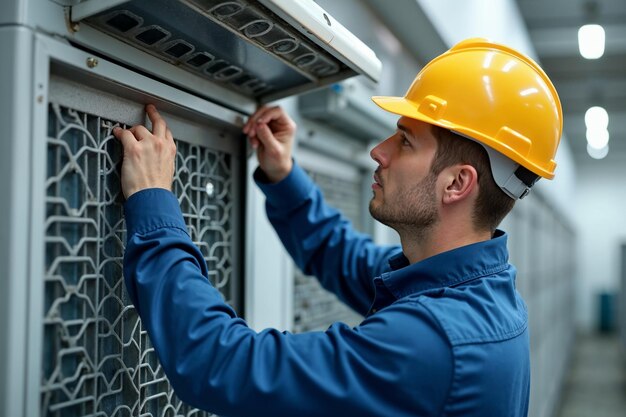
While simple tasks can be DIY, always consult with or hire professionals for complex issues. Regular professional tune-ups can detect issues before they escalate into costly repairs.
Smart Technology in Heating and Air Conditioning
Technology has revolutionized HVAC systems. Smart thermostats and integrated tech offer unprecedented control and efficiency.
Smart Thermostats
Devices like Nest or Ecobee allow for intuitive control via smartphones.
- Energy Saving: They learn your schedule and adjust settings to optimize energy use.
- Remote Monitoring: You can control temperature settings from anywhere.
- Intelligent Feedback: Provide insights on energy use and suggest improvements.
Integrated Home Systems
Many new systems can integrate with home automation.
- Unified Control: Manage your HVAC alongside other smart devices like lights or security systems.
- Enhanced Monitoring: Access detailed reports on system performance.
Environmental Concerns and Energy Efficiency
Modern HVAC systems are designed with environmental impact in mind. Here are ways these systems address ecological concerns:
- Reduced Emissions: Today's systems often emit less CO2.
- Eco-Friendly Coolants: Utilization of refrigerants with less environmental impact.
- Solar Options: Some systems even integrate or are compatible with solar technologies.
💡 Tip: To further reduce environmental impact, consider systems that utilize renewable energy sources or have certified eco-friendly labels.
Making the Most of Warranties
Understanding warranties is crucial in the heating and air conditioning industry. They offer peace of mind and protect your investment.
- Coverage Details: Know what components are covered and for how long.
- Conditions: Regular maintenance might be required to keep warranty valid.
- Claim Process: Understand the claim process, should you need it.
Emergency Preparedness with HVAC Systems
Being prepared for emergencies ensures minimal disruption when heating or air conditioning systems fail.
- Emergency Numbers: Keep contact information for HVAC services handy.
- Alternative Solutions: Have backup heating/cooling options like portable heaters or fans.
- Regular Maintenance: Prevent breakdowns by adhering to a maintenance schedule.
Quick Takeaways 📝
Here are a few key points to remember when considering heating and air conditioning systems:
- 👷♂️ Professional Help is Key: While some maintenance can be DIY, annual professional check-ups are essential.
- 🏠 Size Matters: Ensure your system is appropriately sized for your space.
- 🌍 Environmentally Friendly Choices: Choosing eco-friendly systems benefits both you and the planet.
- ⏳ Regular Updates: Technology updates mean smarter consumption and cost-efficiency.
- ✨ Regular Maintenance Saves: Regular upkeep extends the life and efficiency of your system.
Your Next Steps
- Evaluate Your Current System: Consider if it meets your home’s needs efficiently.
- Research Options: Look at smart technology and energy-efficient models for upgrades.
- Schedule Professional Maintenance: Keep your system in optimal working condition.
- Plan for Emergencies: Have a backup plan and necessary contacts for unexpected breakdowns.
Heating and air conditioning systems play an indispensable role in modern life. By understanding the basics, keeping up with maintenance, and embracing technology, you can enjoy a comfortable indoor environment year-round. Always approach system selection and care with informed decisions for the utmost efficiency and satisfaction.
Related Topics
- 24 Hour Heating And Air Conditioning
- Absolute Heating And Air Conditioning
- Ace Heating And Air Conditioning
- Action Heating And Air Conditioning
- Adon Complete Air Conditioning And Heating
- Advanced Heating And Air Conditioning
- a Heating And Air Conditioning Repair
- Airco Heating And Air Conditioning
- Air Conditioning And Heating
- Air Conditioning And Heating Companies Near Me
- Air Conditioning And Heating Dallas
- Air Conditioning And Heating Repair
- Air Conditioning And Heating Service Near Me
- Air Conditioning And Heating Unit
- Air Conditioning Heating And Refrigeration Institute
- Air Conditioning Units Heating And Cooling
- Air Design Air Conditioning And Heating
- Air Max Heating And Air Conditioning
- Air Repair Heating And Air Conditioning
- Airtron Heating And Air Conditioning
- Airtron Heating And Air Conditioning Reviews
- Alabama Board Of Heating And Air Conditioning
- Aladdin Heating And Air Conditioning
- All Air Heating And Air Conditioning
- All Seasons Heating And Air Conditioning